
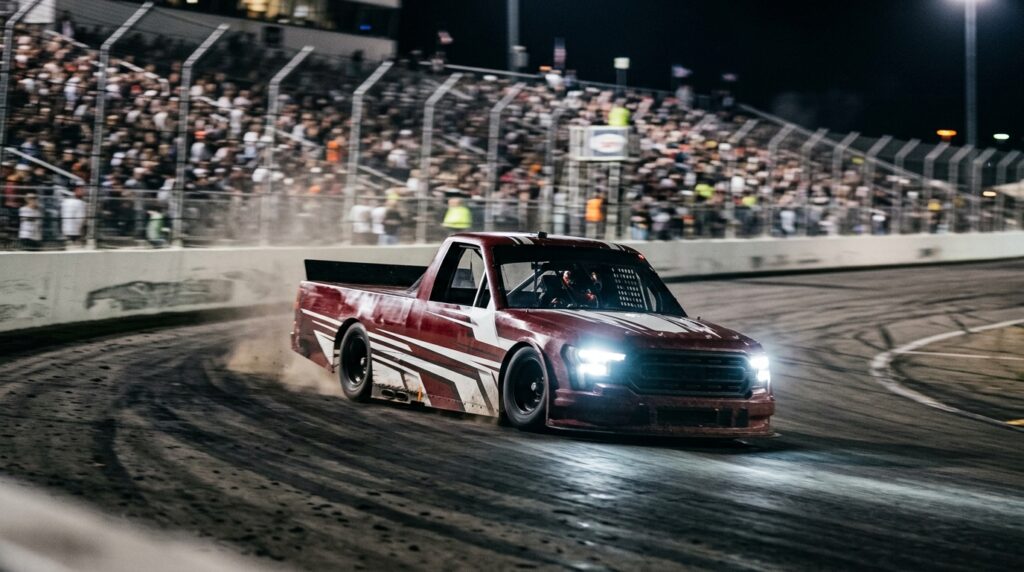
Ram’s return to truck racing in 2026 is one of the biggest manufacturer stories in pickup-based motorsports. For casual fans, it adds another familiar truck brand to follow. For serious racing fans, it creates new questions about competition, identity, factory support, and the future of the NASCAR CRAFTSMAN Truck Series. For New England fans, it is another reason to pay closer attention to the growing truck racing scene.
Truck racing has always had a different personality from other forms of stock car racing. The vehicles look tougher, the racing feels more physical, and the connection to real pickup culture makes the series easier for many fans to understand. A manufacturer comeback can make that connection even stronger. When a major truck brand returns to competition, it does not only affect the national series. It can also influence fan interest, sponsor conversations, local racing content, and the way short-track truck racing is promoted.
For the New England Truck Series, Ram’s return is a useful talking point. It gives regional truck racing fans a national storyline to follow while also creating an opportunity to explain why local truck racing remains important. National attention brings visibility, but local racing brings the close-up experience: the garage work, the weekly commitment, the hometown drivers, and the kind of short-track battles that keep fans coming back.
Why Ram’s Return Matters to Truck Racing
Manufacturer involvement gives racing more structure. Fans often connect with brands before they connect with specific teams or drivers. Some fans grow up in Ford households, Chevy households, Toyota households, or Ram households. That brand loyalty can turn a normal race into something more personal. When Ram returns to national truck racing, pickup fans who already care about the brand have a new reason to watch.
That matters because the truck category is built around identity. A truck is not just another race vehicle. It represents strength, work ethic, utility, and attitude. Those ideas fit well with short-track racing, where teams often work long nights, travel regionally, solve problems with limited resources, and compete in a tough environment. Ram’s return gives the national series another storyline, but it also supports the larger idea that truck racing has room to grow.
A Bigger Manufacturer Field Creates More Fan Debate
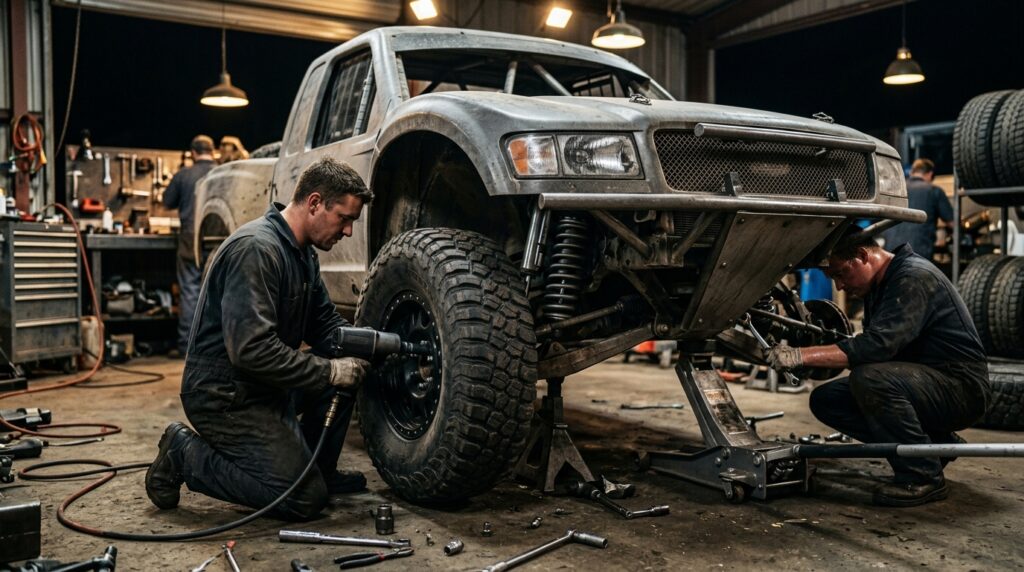
Racing becomes more interesting when fans have something to argue about. Which truck brand has the best body? Which manufacturer will adapt fastest? Which team will give the new program its first breakthrough run? Which drivers can make the equipment look competitive? These questions help create conversation before and after race day.
For content creators and racing websites, that conversation is valuable. It creates room for preview articles, opinion pieces, driver analysis, performance breakdowns, and beginner guides. Fans may arrive because they want to understand Ram’s return, but they may stay because they discover more about truck racing as a whole.
Brand Loyalty Can Bring New Viewers Into the Sport
Some people do not start watching racing because of a driver. They start because of a vehicle, a brand, or a memory. A fan who drives a Ram truck may suddenly care about the NASCAR Truck Series because the brand is back on the grid. That does not guarantee lifelong fandom, but it opens the door.
Once that fan begins watching, the racing product has to do the rest. The Truck Series has a good chance to convert those viewers because the races are often aggressive, unpredictable, and easy to enjoy. The trucks slide, lean, bump, and fight for track position in a way that feels close to grassroots racing. That style can appeal to fans who want something more raw than polished.
Factory Support Can Raise Expectations
When a manufacturer returns, fans expect progress. They want to see competitive trucks, smart partnerships, strong drivers, and serious effort. That pressure can be good for the sport because it raises the standard. Teams connected to a manufacturer program must think carefully about performance, branding, development, and consistency.
This is also where local racing can learn. Regional teams may not have factory resources, but they can still improve how they present themselves. Clear sponsor placement, better photography, simple race recaps, and consistent updates can make a local team look more professional. The national level shows what polished racing promotion looks like. The local level can adapt those lessons in a realistic way.
What Pickup Racing Fans Should Watch in 2026
Ram’s comeback gives pickup racing fans several storylines to follow. The first is competitiveness. New or returning manufacturer programs often need time to build rhythm. Fans should watch how quickly the trucks show speed, how teams adjust through the season, and whether the program can become a consistent threat.
The second storyline is driver development. Truck racing is often a proving ground. Young drivers, experienced veterans, and part-time national competitors all use the series to show what they can do. A new manufacturer program can create fresh seats, new opportunities, and different paths for drivers trying to move up.
The third storyline is fan response. If Ram’s return creates strong engagement, more merchandise interest, higher social media attention, and bigger conversations around truck racing, it can help prove that manufacturer identity still matters in modern motorsports.
New England Fans Should Connect the National Story to Local Racing
New England truck racing fans do not have to treat Ram’s return as only a national NASCAR story. It can also be used as a reason to introduce more people to local truck racing. When someone gets excited about the national Truck Series, point them toward the regional scene. Show them where truck racing happens nearby, what makes the local trucks different, and why short-track racing is worth watching in person.
That is where articles like A Beginner’s Guide to the New England Truck Series become useful. New fans need simple explanations. They need to understand the format, the trucks, the tracks, and the reason the racing matters. A national manufacturer headline can attract attention, but beginner-friendly local content can turn that attention into real fandom.
How Ram’s Return Can Help the Local Truck Racing Scene
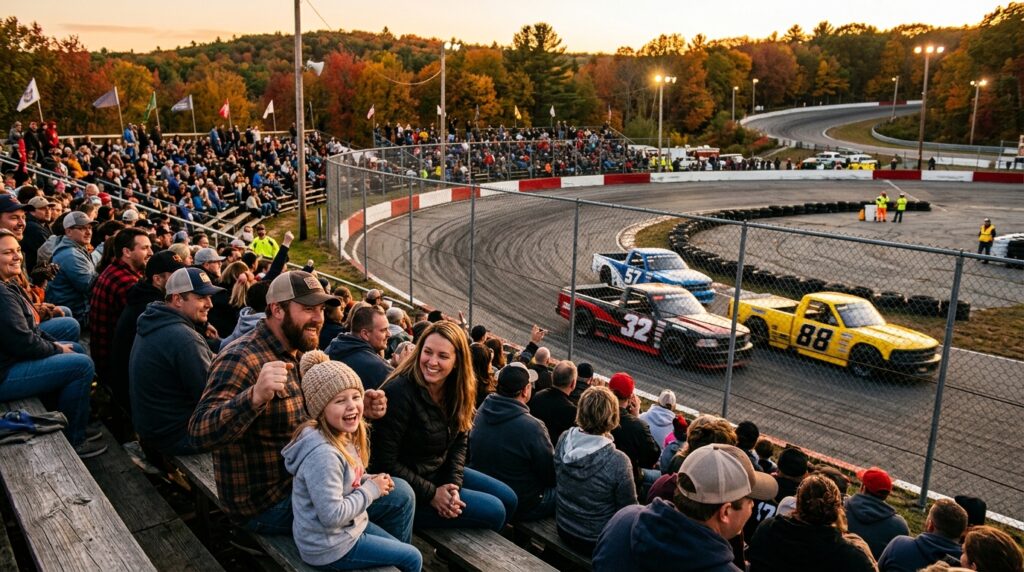
Local racing grows when fans have a reason to care between race nights. Ram’s return creates another topic for teams, tracks, and regional racing websites to discuss. It gives local truck racing a larger conversation to connect with. That is important because many casual fans do not separate national and regional motorsports as much as insiders do. To them, it is all racing. If they enjoy one version, they may be open to another.
For the New England Truck Series, the opportunity is clear. Use the national momentum to educate fans about local truck racing. Explain how trucks are built, how drivers prepare, how short-track setups work, and why regional teams deserve support. Internal content like The Best Trucks in the New England Truck Series: Speed, Power, and Performance can help readers move from national curiosity into local racing knowledge.
Teams Can Use the Moment to Promote Their Own Identity
Local teams should not wait for national racing to carry the conversation. They can use the attention around Ram’s comeback to talk about their own trucks, sponsors, setups, and goals. A team does not need to be connected to a manufacturer to benefit from the broader truck racing wave. It only needs to tell its story better.
Fans love seeing what happens behind the scenes. They want to know what broke, what changed, what improved, and what the driver felt during the race. Teams that explain their process are easier to follow. Sponsors also benefit because their names appear in more meaningful content, not just on a race-day photo.
The New England Truck Series blog can support that growth by publishing more educational posts, race previews, driver features, and truck performance articles. When fans understand the sport, they are more likely to attend races, follow teams, and share content with other racing fans.
The Best Outcome Is More Attention for Truck Racing Everywhere
Ram’s return should not be viewed as a win only for one manufacturer or one national team. The best outcome is more attention for truck racing at every level. If more fans watch the national series, search for truck racing content, and become curious about regional events, everyone in the truck racing ecosystem can benefit.
For official brand details, fans can visit the Ram Racing page. For local fans, the next step is even more important: follow the regional schedule, support local drivers, and experience truck racing in person.
Ram’s return adds energy to the sport, but the future of truck racing will still depend on fans showing up, teams telling stronger stories, and tracks giving people a reason to come back. New England already has the racing culture. Now it has another national storyline to help bring more people into it.