
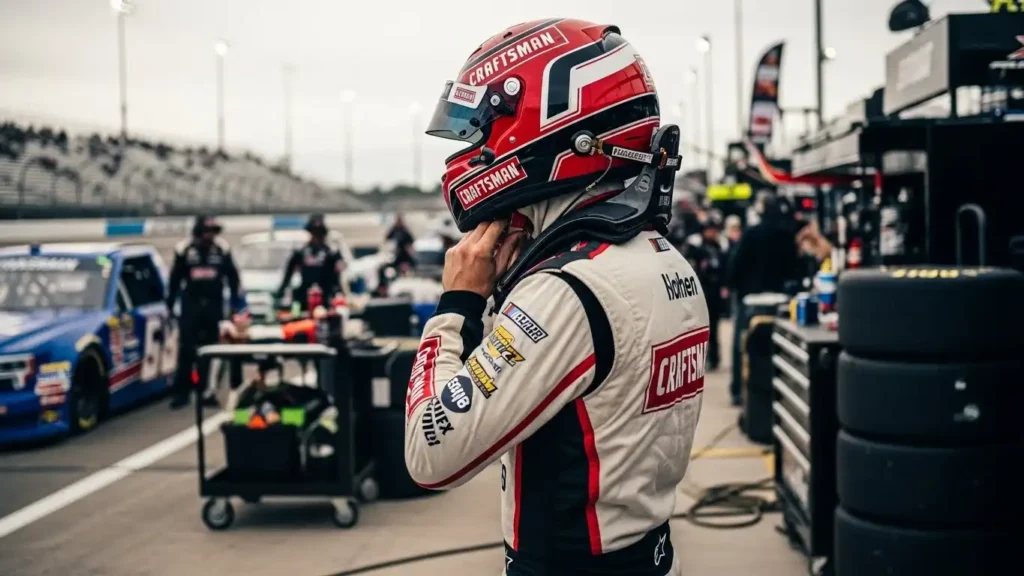
Ram’s anticipated return to the NASCAR Craftsman Truck Series in 2026 — backed by a full factory program — alongside the efforts of Kaulig Racing has created waves in the motorsports world. But what does this mean for regional circuits like the New England Truck Series? As these national changes unfold, regional racing teams and fans alike are likely to feel the effects. The question is: How could the increased factory presence and national attention impact grassroots motorsport leagues like the New England Truck Series?
The Road to 2026: Ram’s Return to Truck Racing
 After a decade-long absence, Ram has confirmed its full factory support for NASCAR’s Craftsman Truck Series in 2026. This marks a significant shift in the landscape of professional truck racing, as the brand’s re-entry promises increased competition and heightened attention. Alongside Ram, Kaulig Racing — a team known for its aggressive expansion strategy — has announced multiple entries for the 2026 season. These changes signal a shift in the way the sport operates, and the New England Truck Series (NETS) stands to see some influence from these national trends.
Why It Matters for the New England Truck Series
For many fans and drivers within the New England Truck Series, changes at the national level are never far from their radar. The infusion of big money and big names into NASCAR’s top-tier series is bound to filter down to regional racing leagues. But what does it mean for local teams, tracks, and fans?
1. Increased Competition and Opportunities for Local Drivers
The return of major manufacturers like Ram to the truck racing scene could mean a rise in competition. As teams like Kaulig Racing increase their presence, local drivers looking to break into the professional ranks may find themselves needing to up their game to match the new, higher standards set by these national teams. While it may raise the bar, it also opens up new pathways for rising stars within smaller series like NETS.
As NASCAR’s Craftsman Truck Series garners more attention, more drivers may be looking to prove themselves on local tracks before stepping up to the big leagues. The New England Truck Series has long been a proving ground for talent, and with the additional spotlight, more drivers might choose to start or sharpen their skills on these shorter, more technical tracks.
2. Boosted Fan Interest and Engagement
When a major manufacturer like Ram enters the NASCAR truck racing fold, it typically comes with a flood of new fans and sponsors. National campaigns bring fresh eyes to the sport, and this increased visibility often spills over to local racing scenes. Just as the popularity of short-track racing surged with NASCAR legends like Dale Earnhardt Jr. making appearances at local tracks, the buzz around Ram and Kaulig Racing’s 2026 plans could bring new fans into the stands of New England Truck Series events.
One of the most significant advantages for smaller circuits is fan engagement. With more attention focused on truck racing, even local events may experience increased ticket sales, merchandise purchases, and social media interactions. The New England Truck Series could see its fanbase grow as NASCAR’s popularity and mainstream appeal rise.
3. Technological Innovation and Knowledge Transfer
 As national teams and manufacturers invest in new technologies, like hybrid engines and specialized tires, these innovations tend to trickle down to the regional level. The competitive edge gained through technological development often leads to a transfer of knowledge that benefits local teams and race organizers.
For the New England Truck Series, this could mean better access to race setups and engineering insights that might not have been available previously. While the NETS tracks may not feature the same level of high-tech machinery, the influence of innovations from the national series could inspire teams to experiment with new strategies and vehicle setups, raising the competitive quality of the races themselves.
The Ripple Effect: National Teams and Short-Track Racing
National efforts like Ram and Kaulig Racing’s entry into the truck series are not only reshaping NASCAR; they’re also influencing grassroots motorsports. The short-track circuits of New England have long been known for their close-knit communities and grassroots origins. But as national teams begin to set their sights on local tracks, they bring along more than just sponsorship dollars — they bring in a fresh wave of media attention, technological advancements, and sponsorship opportunities.
For fans of the New England Truck Series, this trend presents both opportunities and challenges. On one hand, the influx of national attention could elevate the status of local races, bringing in higher-profile drivers, sponsors, and possibly even bigger purses. On the other hand, this growth might lead to increased competition, pushing local teams to be more innovative and better funded in order to stay competitive.
Conclusion: Embracing Change and Moving Forward
The involvement of major manufacturers like Ram in the NASCAR Truck Series is a watershed moment in the sport’s evolution. As teams like Kaulig Racing make their moves to dominate at the national level, their actions will inevitably influence regional leagues like the New England Truck Series. It remains to be seen exactly how these dynamics will play out, but one thing is certain: the 2026 season will be a turning point for truck racing, both locally and nationally.
As the 2026 season draws nearer, the New England Truck Series will likely experience shifts in competition, fan engagement, and technological innovation. But whether these changes will elevate the sport or present new challenges for local teams remains to be seen. What is clear, however, is that the increased attention from national manufacturers like Ram and Kaulig Racing is a trend that no one within the short-track racing world can afford to ignore.