
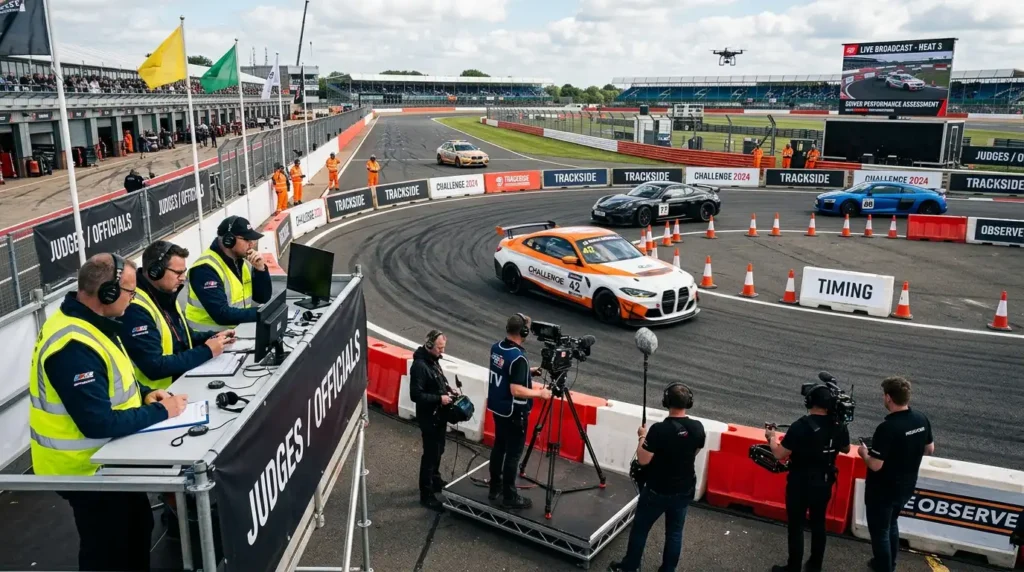
The path to becoming a professional truck racing driver has traditionally required years of dedication on short tracks, strong team connections, and consistent performance in regional series. Today, a new element is entering the world of motorsports: reality-style driver competitions. These programs combine television entertainment with driver development, offering emerging racers the chance to showcase their skills in front of teams, sponsors, and fans.
This shift reflects how motorsports is evolving alongside modern media. While traditional racing ladders remain important, new opportunities are appearing for drivers who demonstrate both talent and personality. For regional racing organizations such as the New England Truck Series, this trend highlights how grassroots racing continues to play a critical role in preparing drivers for larger stages.
The Traditional Path to Truck Racing
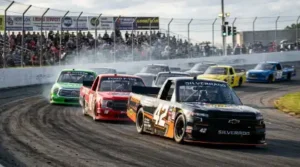
For decades, aspiring drivers have followed a similar route into professional racing. Many begin with local karting leagues or entry-level stock car divisions before gradually moving into more competitive regional series. These early racing experiences help drivers develop key skills such as race strategy, vehicle control, and teamwork with crew members.
Regional leagues often provide the most valuable training environment for developing racers. Competing on short tracks allows drivers to experience real race pressure, manage traffic, and adapt to changing track conditions. Series like the New England Truck Series give drivers the opportunity to refine their abilities while racing against experienced competitors.
This traditional development process remains a cornerstone of motorsports. However, the growing presence of media-driven driver competitions is adding a new layer to the journey.
The Rise of Reality-Style Motorsports Competitions
In recent years, motorsports organizations have experimented with competition shows designed to identify promising drivers. These programs often feature multiple racers competing in skill challenges, track tests, and team evaluations.
The format allows fans to watch the development process unfold while teams evaluate drivers in a controlled environment. Participants may demonstrate driving ability, mechanical knowledge, communication skills, and adaptability.
Unlike traditional scouting methods, reality competitions place drivers directly in front of audiences and decision-makers. This visibility may help talented racers gain recognition faster than in the past.
How These Programs Work
Most motorsport talent competitions combine several stages designed to evaluate drivers from different perspectives. While the exact format may vary, many programs include:
- On-track performance challenges
- Technical evaluations related to vehicle setup
- Teamwork and communication tests
- Media and interview training
- Final selection by team managers or sponsors
This structure allows racing organizations to evaluate not only raw speed but also a driver’s ability to represent a team professionally. Modern motorsports increasingly values drivers who can communicate effectively with fans, sponsors, and media outlets.
The Importance of Personality in Modern Racing
Today’s racing landscape places greater emphasis on driver visibility and fan engagement. With the growth of digital media, drivers who connect with audiences often attract additional attention from sponsors and racing organizations.
Reality-style competitions highlight this aspect of modern motorsports. Participants may share personal stories, training routines, and behind-the-scenes experiences that help fans understand the dedication required to pursue a racing career.
This storytelling approach strengthens the connection between drivers and audiences while providing teams with insight into a racer’s professionalism and character.
Why Regional Truck Racing Still Matters
Even as new driver competitions gain popularity, regional truck racing remains one of the most important stages for developing talent. Local and regional leagues provide the competitive environment where drivers build the experience necessary to advance in their careers.
Short-track racing demands quick decision-making, precise vehicle control, and the ability to compete closely with other drivers. These skills cannot be fully replicated in training sessions or television competitions.
For that reason, many drivers who participate in talent competitions often come from regional racing backgrounds. Their experience on local tracks provides the foundation needed to perform under pressure.
Fans who follow regional series can often witness the early stages of drivers who later move into national racing programs.
Technology and Media Are Changing Driver Development
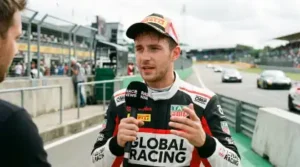
Technology has significantly expanded the ways drivers can showcase their abilities. In addition to traditional racing events, many drivers now build online audiences through social media, streaming platforms, and digital racing communities.
This visibility allows teams to observe drivers beyond race day performance. Online engagement, training updates, and behind-the-scenes content can demonstrate dedication and work ethic.
Driver competitions that incorporate television and digital platforms take advantage of this trend by presenting racers to a global audience. Fans who watch these programs gain insight into the effort and discipline required to compete in motorsports.
Opportunities for Emerging Drivers
The emergence of driver competitions does not replace traditional racing paths, but it adds new possibilities. Drivers who perform well in regional series may gain opportunities to participate in development programs or televised competitions.
These programs may provide valuable resources such as professional coaching, media exposure, and connections with established racing teams.
For young drivers, the combination of competitive racing experience and strong personal branding can help open doors that previously required years of networking.
What This Means for the Future of Truck Racing
The integration of entertainment and motorsports is likely to continue as racing organizations look for ways to engage new audiences. Driver competitions and talent showcases introduce fans to the personalities behind the helmets while highlighting the skills required to compete at high levels.
Regional racing leagues will continue to play an essential role in this evolving system. Tracks and series that nurture emerging drivers remain the foundation of motorsports development.
As media platforms continue to expand, drivers who demonstrate both racing talent and professionalism may find themselves benefiting from new pathways into competitive truck racing.
Discover More Truck Racing Insights
If you enjoy learning about the evolution of truck racing and driver development, explore more content on our site:
The future of truck racing continues to evolve as new drivers, technologies, and opportunities reshape the sport. Regional series remain at the heart of this journey, where the next generation of racing talent begins its climb toward larger stages.