
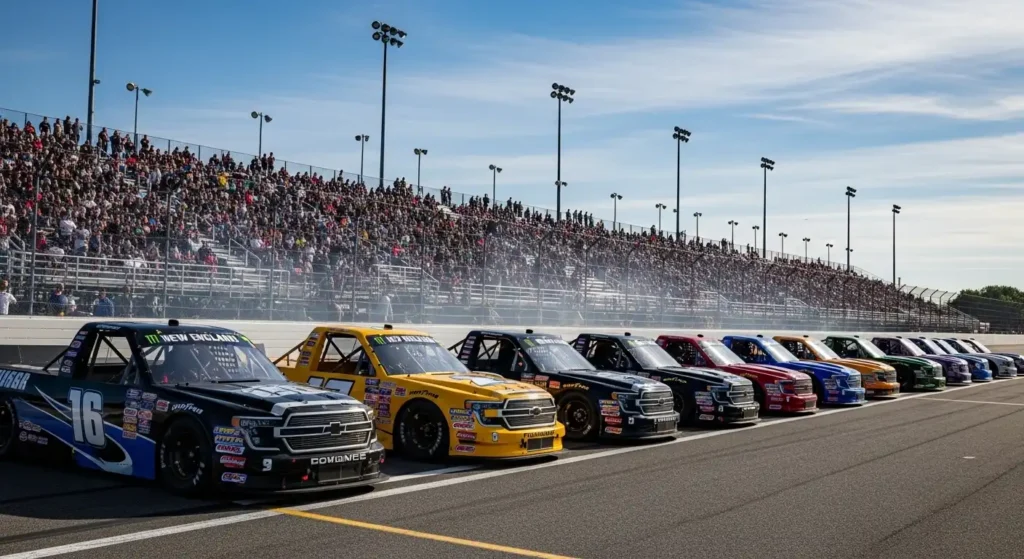
The trucking industry is entering a pivotal year in 2026 with a convergence of regulatory changes, enforcement priorities, and market trends that will shape operations for carriers, owner-operators, and trucking enthusiasts alike. Whether you’re deeply involved in trucking culture or a passionate follower of the New England Truck Series, understanding these shifts helps you see not just the races, but the industry forces that influence sponsor behavior, equipment investments, driver pipelines, and the broader economy that supports regional racing.
Why 2026 Matters
 For many years trucking regulatory change was measured in incremental steps. But 2026 stands out as a year of alignment and enforcement rather than isolated mandates. Federal agencies such as the Federal Motor Carrier Safety Administration (FMCSA) are focusing on modernization of existing rules, enhanced safety compliance data systems, and clearer oversight of carriers and brokers. This combination of regulatory action and market adjustment influences everything from freight rates to fleet planning decisions — developments that reverberate within communities and industries tied to trucking culture and motorsports like the New England Truck Series.
Key Regulatory Shifts to Watch in 2026
1. Modernization of Safety Compliance Systems
Rather than introducing a flood of new mandates, the FMCSA’s 2026 agenda focuses on updating compliance systems and clarifying existing rules. Improvements in digital tracking of safety data — such as electronic log documentation and credential verifications — are expected to reduce paperwork confusion while increasing enforcement clarity.
For carriers, this means preparing internal systems for digital readiness — ensuring that truck safety technology, driver training, and data reporting are accurate and audit-ready.
2. Stricter Enforcement of Existing Regulations
While some may associate 2026 with deregulation narratives, enforcement of existing safety rules is actually strengthening. According to industry compliance experts, regulators are more actively enforcing rules related to driver training, English language proficiency, and electronic logging systems.
This heightened enforcement is not limited to large fleets — owner-operators and regional carriers must also align with compliance expectations. The increased scrutiny could lead to fines, safety audit issues, or operational restrictions for those lagging in compliance.
3. Market Conditions and Freight Trends
Beyond regulatory action, market trends are playing a key role in 2026. Freight volumes remain uneven and generally below peak levels seen in past years, even as demand shows signs of modest stabilization. Capacity contraction — driven by cautious expansion and elevated operating costs — continues to influence pricing power and capacity planning.
In a market where freight demand and capacity are in flux, trucking companies — including those backing regional racing and community events — are carefully balancing cost management with growth strategies. For example, decisions on equipment purchasing, sponsorship allocation, and participation in motorsports circuits may shift as carriers seek competitive advantage in tight markets.
Operational Challenges and Opportunities
1. Equipment Replacement and Emissions Readiness
Many fleets view 2026 as a year of replacement rather than expansion. This trend is partly driven by costs associated with new safety technologies, emissions planning ahead of upcoming EPA requirements, and ongoing maintenance costs tied to fleet readiness.
For truck owners and fleets supporting motorsports teams or community events, this replacement focus may affect the type of vehicles on display, the sponsors involved, and the general trucking community presence at events.
2. Workforce and Training Pressures
 The trucking industry continues to grapple with workforce challenges, including driver shortages and training compliance requirements. As regulatory enforcement increases, trucking schools and training programs are under pressure to meet federal standards. While this helps improve overall safety outcomes, it also places cost and resource burdens on both trainees and training institutions.
A skilled driver pool benefits all sectors tied to trucking culture — from professional drivers backing racing teams to local logistics professionals engaging with the New England Truck Series ecosystem.
Technology’s Role in Shaping 2026
Technology continues to be a major trend — from fleet management systems that track compliance to advanced safety tech such as collision avoidance systems and automatic braking support. These changes improve safety outcomes while helping fleets reduce operational risk. Early adoption of technology often translates to higher safety scores and more competitive insurance positioning. For trucking fans and participants, technological evolution strengthens the narrative of progress in trucking — connecting digital innovation with the high-performance world of truck racing.
What This Means for the New England Truck Series Community
While the New England Truck Series is a motorsports entity, the broader trucking industry trends for 2026 matter for several reasons:
- Sponsorship Strategies – Fleets aligning with new safety and compliance technologies may prioritize visibility in racing events, affecting who sponsors teams and events in 2026.
- Fan Engagement and Workforce Development – Training and compliance investments elevate the profession’s profile, reinforcing interest in trucking careers among fans.
- Economic Indicators – Freight market shifts influence company health across the industry, reflecting regional economic conditions that support local racing communities.
By staying informed about industry trends, fans and professionals alike can better understand the forces shaping the sport, the business of trucking, and the careers connected to both.
Staying Ahead in 2026
To navigate this environment, trucking professionals and fans should:
- Stay updated on FMCSA rulemaking and compliance timelines.
- Invest in technology that supports safety, reporting, and operational efficiency.
- Engage with community training programs and workforce events.
- Follow economic trends that influence freight rates and capacity.
These steps not only help carriers remain competitive but also strengthen the connection between the industry and the vibrant world of truck racing.
For more insights on how trucking trends intersect with motorsports culture, check out our truck events and industry news and racing technology features.